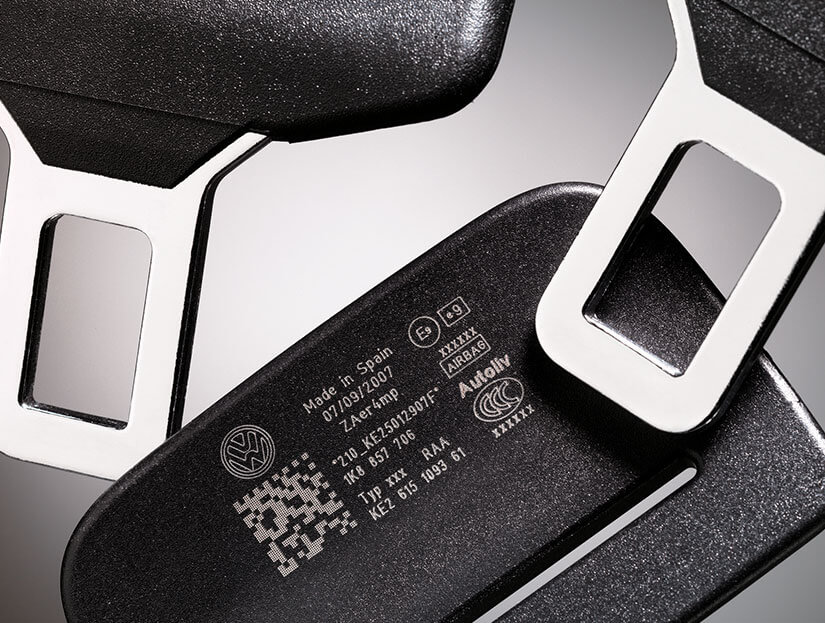
Laser marking is ideal for various plastic materials such as PE, HDPE, LDPE, PP, PET, and PVC. Robust plastics like ABS, Polycarbonates, and Nylons are used in mechanical parts, while high-volume applications include packaging and containers. CO2, Fiber, and UV lasers ensure high-quality plastic marking.
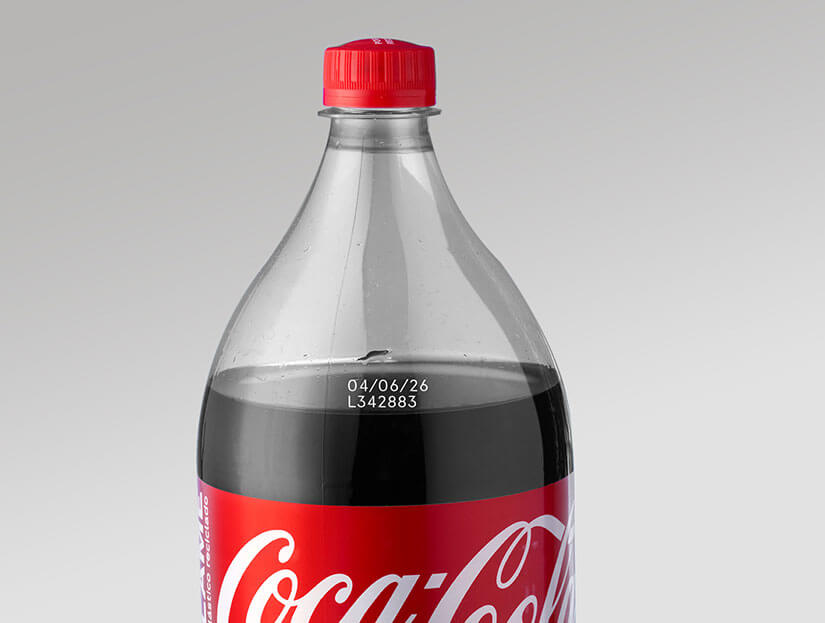
PET is commonly used in food packaging and can be marked effectively using CO2 (especially 9.3 mM wavelength), Fiber, Green, and UV lasers for different transparency levels.
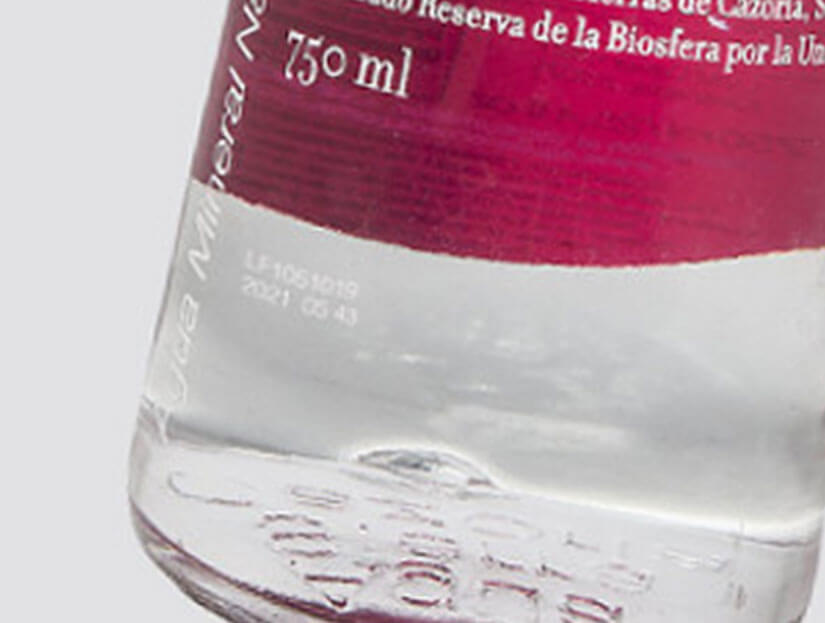
Glass is a versatile material used for packaging and optics. CO2 and UV lasers provide high-precision marking, making them ideal for labelling glass containers.
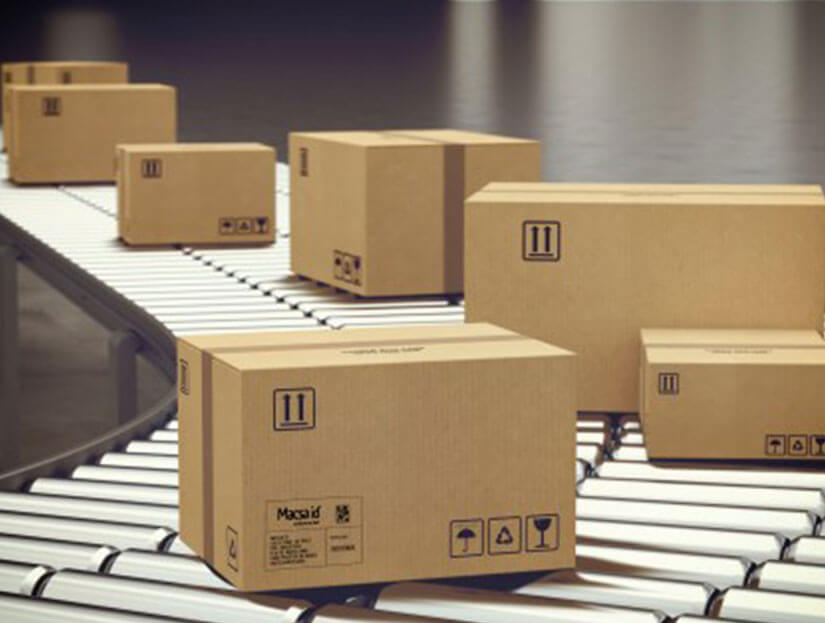
Paper and cardboard are widely used in packaging. Laser marking offers an ink-free solution for logistics and branding applications while being environmentally friendly.
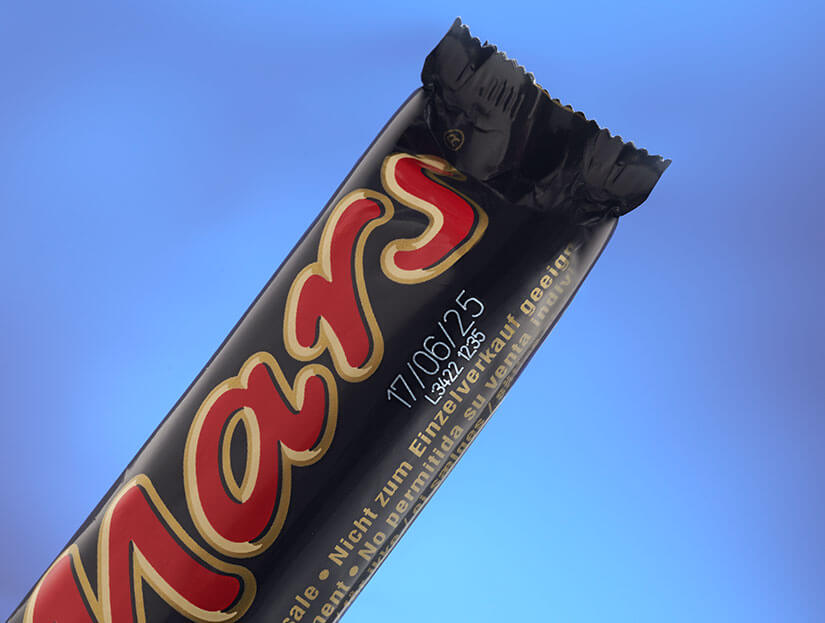
Flexible films used in pouches, wraps, and bags require delicate, contact-free marking. CO2, Fiber, and UV lasers provide precise and pressure-free coding without damaging the material.
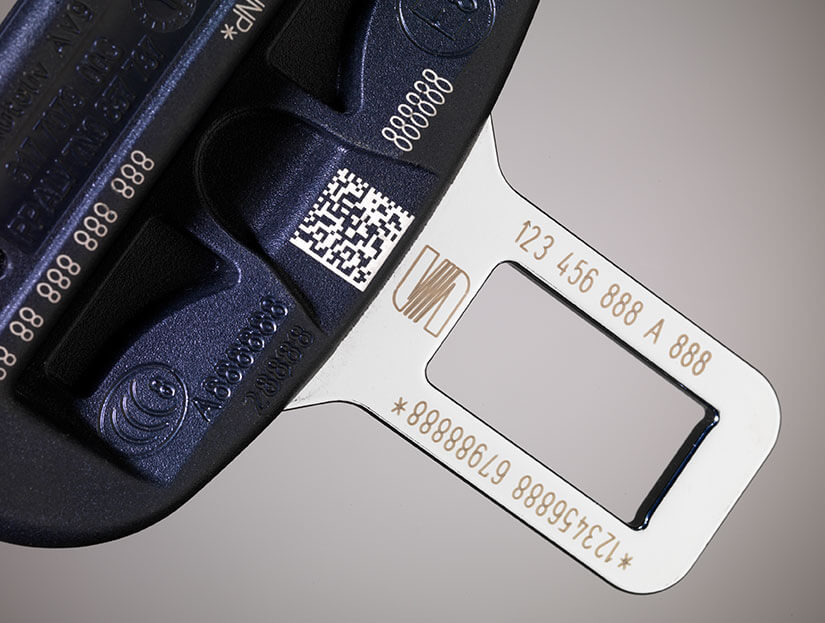
Aluminium’s lightweight and corrosion resistance make it suitable for various applications. MOPA, CO2, and Fiber lasers provide high contrast engraving and marking solutions for both raw and anodized aluminium.
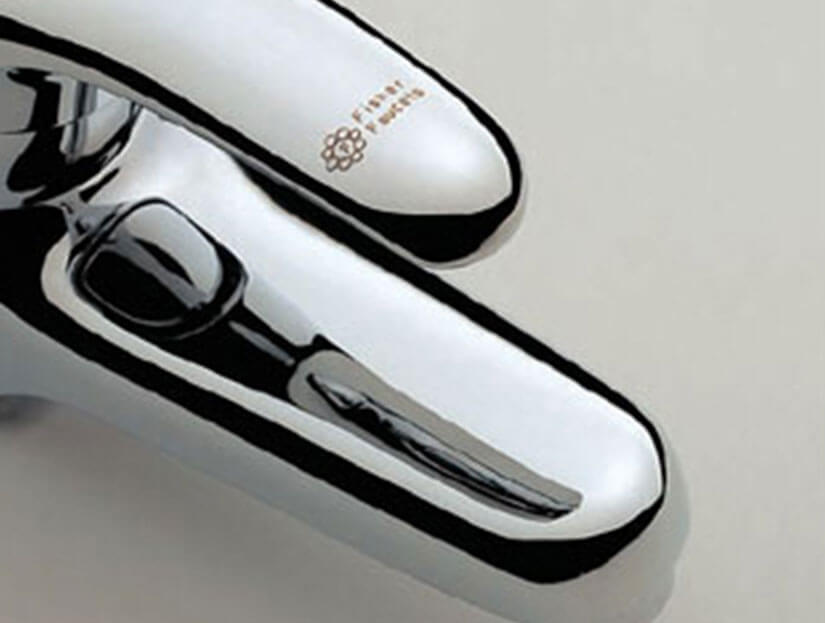
Steel is widely used in industries such as automotive and construction. Fiber lasers remove surface material for permanent marking of texts, 2D codes, and logos with high precision.
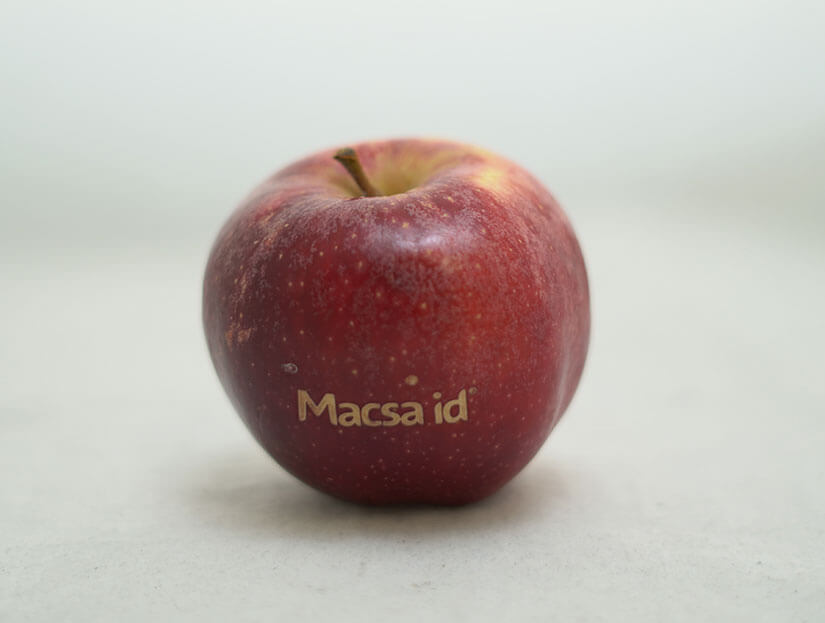
Genuinely sustainable food production doesn’t end at placing a healthy, vivid environment in which to harvest. To take a holistic, principled approach that respects natural processes...
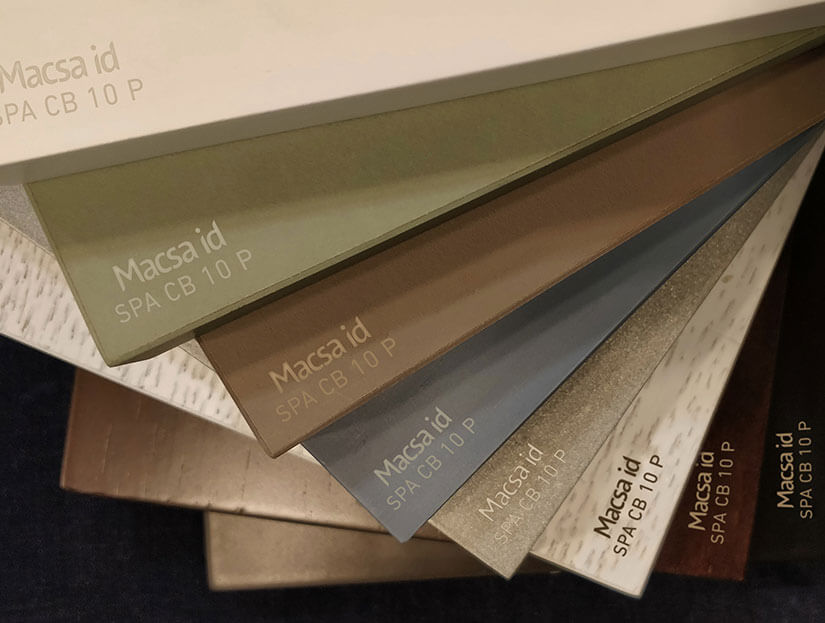
Possibly the most useful and versatile material on the planet, wood is a material that is relatively cheap, great, strong & environmentally friendly.